Retirement Communities in Oakville, MO: Costs, Types, and Availability
The median sale price for a home in Oakville, MO sits around $357,000 as of late summer 2026. That puts this St. Louis County market in a price range that surprises some buyers weighing the pros and cons of living in Oakville, MO - and the pace surprises them even more. Homes here spend roughly 12 days on the market before going under contract.
If you're looking specifically for retirement communities in Oakville, MO, you're really looking at the unincorporated subdivisions of South County. Active inventory runs to about 36 homes right now, which isn't much. Buyers and renters targeting age-restricted housing or assisted care need to move when something becomes available.
Senior Living Options in Oakville at a Glance
There are approximately 83 senior housing options in the broader area, ranging from independent living apartments to full continuing care facilities. That number sounds manageable until you realize how spread out they are across South County and how quickly the good ones disappear.
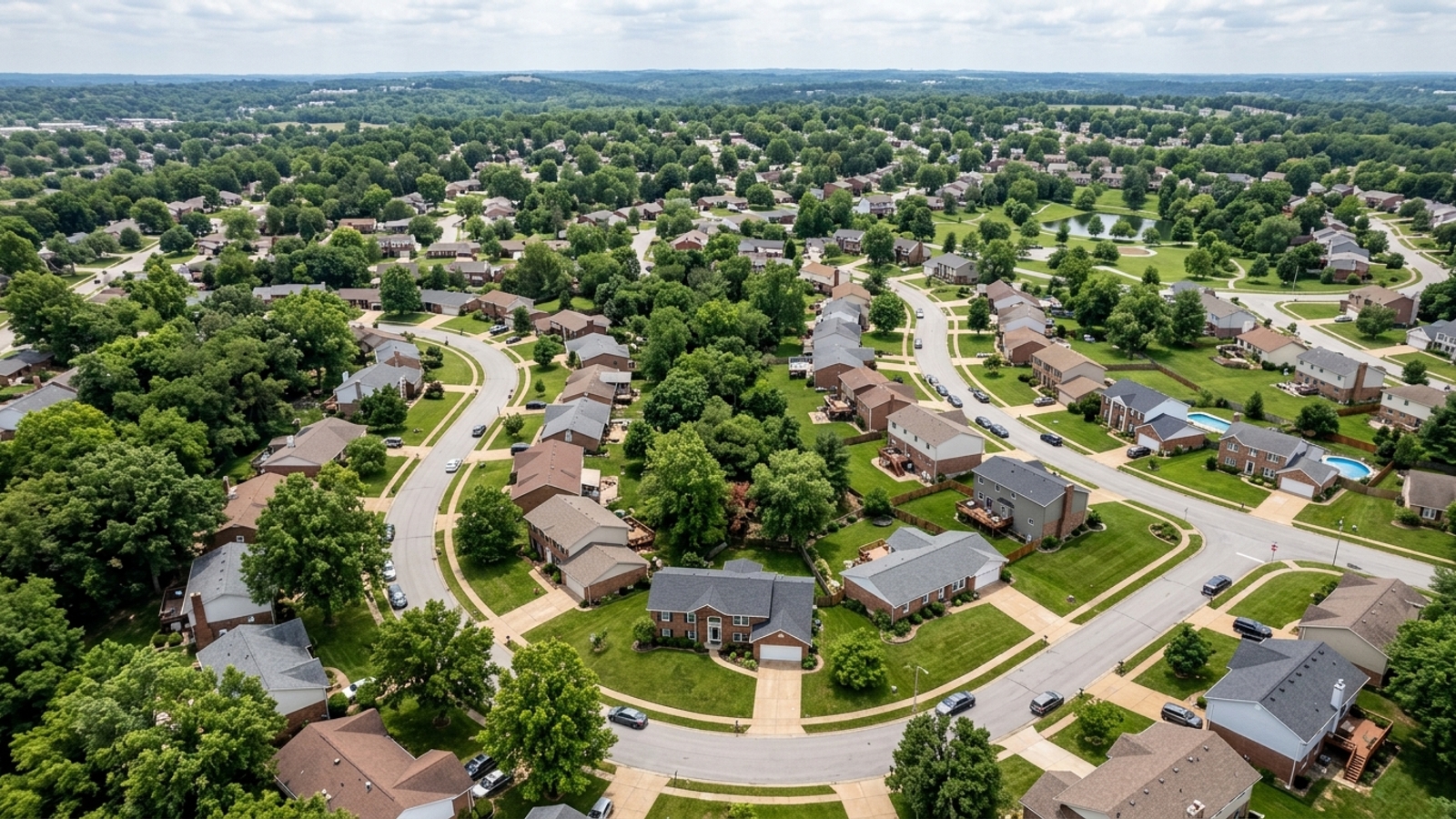
Oakville is an unincorporated Census Designated Place, which changes how the housing landscape works. You won't find the kind of tidy, named municipal neighborhoods you'd see in a traditional city. Most buyers are choosing from ranch, Colonial Revival, and contemporary-style homes built from the 1970s onward, scattered across various residential subdivisions.
Types of Senior Communities
Independent living communities are built for people who want a maintenance-free lifestyle without daily medical involvement. That includes 55+ communities in Oakville, MO where residents either buy or rent within an age-restricted neighborhood - no caregivers, just fewer chores.
Assisted living and continuing care retirement communities, or CCRCs, work differently. They offer tiered medical support, and the real appeal is that residents can move from an independent apartment into skilled nursing care without relocating to a new campus.
The Age Requirement Rules
The federal Housing for Older Persons Act governs age-restricted communities, and the key number is 80 percent - that's the share of occupied units that must include at least one resident who is 55 years of age or older.
The remaining 20 percent of units is where communities set their own rules. Before you make an offer, read the HOA declaration carefully. It will tell you exactly what the age minimums are for spouses or adult children, and those rules vary more than most buyers expect.
Housing Styles and Subdivisions in South County
There are no formally named municipal neighborhoods in Oakville. What you'll see in listings are specific subdivisions - Crystal Lake Subdivision is one example - and the subdivision is what determines your HOA rules and the style of homes available to you.
The overall market is competitive. Homes are selling for about 102 percent of list price, and more than half of the 119 homes sold recently closed above asking. If you're targeting a single-family subdivision, you should go in knowing you'll likely have company.
Market-Rate and Luxury Options
Premium senior living in Oakville, MO generally means updated ranch homes or specific CCRC campuses. Single-story layouts and accessibility upgrades are the draws - less negotiable for a lot of buyers in this stage of life.
One thing worth sorting out before closing: whether exterior maintenance falls on you or the HOA. Higher-end subdivisions don't automatically bundle landscaping and snow removal. Verify the maintenance schedule in writing.
Affordable and Subsidized Housing
Subsidized senior apartments tie eligibility to household income measured against the area median. Under recent HUD data for the St. Louis Metro Area, the 30 percent income limit is $23,400 for a single person and $26,750 for a two-person household. The Very Low Income limit is $39,000 for an individual, and the Low Income threshold is $62,400.
You'll need tax returns and asset statements to apply for these units. Have those ready before you start the process.
Expected Costs for 55+ Living in Oakville
Costs here vary a lot depending on the level of care and the type of property you're considering. The overall average rent for standard apartments in Oakville runs about $1,444 per month, though specialized senior apartments land at different figures based on their amenities and services.
Single-family home buyers pay standard property taxes and HOA dues. Buyers going into a specialized care facility are looking at an entirely different fee structure.
Continuing Care Entrance Fees
CCRCs in the St. Louis County area typically require an entrance fee between $150,000 and $500,000. That upfront payment secures your place in the community and locks in your access to future medical care as your needs change.
On top of that, monthly fees average around $2,800, with the broader county range running from $2,700 to $5,800 depending on which services you're actually using.
Medicare and Medicaid Assistance
Medicare doesn't cover assisted living costs in Missouri. Families paying for dedicated assisted living or memory care are working with private funds, long-term care insurance, or specific state programs.
Missouri's Medicaid program - MO HealthNet - does offer Home and Community-Based Services waivers. The Aged and Disabled Waiver covers residents 63 and older who need nursing-home-level care. The Independent Living Waiver is designed to fund community-based care as an alternative to a nursing facility.
Both waivers have limited slots. They're not guaranteed entitlements, and waiting periods are real. Apply early.
Weighing the Pros and Cons of Active Adult Communities
The case for a dedicated retirement community usually starts with maintenance. Exterior upkeep is often handled for you - no lawn mowing, no snow shoveling. Accessibility features tend to be built in rather than retrofitted.
The trade-off is living under HOA governance. The board controls exterior paint colors, parking, and a long list of other details. That works well for some people and poorly for others. Know which camp you're in before you sign.
Financial Considerations
Buying a single-family home in an Oakville subdivision gives you a physical asset. You build equity, you can sell it, you can pass it to your heirs. That ownership stake matters to a lot of buyers.
Renting an apartment or paying a CCRC entrance fee doesn't build traditional real estate equity. What it does offer is flexibility and a structure that bundles future medical care into a more predictable cost - which for some buyers is worth more than equity.
Frequently Asked Questions
What are the most popular 55+ active adult communities to buy into in Oakville, MO?
Oakville operates as an unincorporated area, so there's no central list of named municipal neighborhoods - just various subdivisions like Crystal Lake. Across South County, you'll find about 83 senior housing options total. Which one fits you depends largely on whether you want a 1970s ranch home or a newer contemporary build.
How much are the average monthly HOA fees for retirement subdivisions in Oakville, and exactly what maintenance do they cover?
It depends entirely on the specific subdivision or facility. Monthly fees for continuing care communities in St. Louis County average around $2,800, but standard HOA dues for a single-family home in a neighborhood like Crystal Lake will be considerably lower. Ask the association for a written breakdown of what exterior maintenance they actually cover.
Can grandchildren or younger adult family members live with me in an Oakville 55-and-older neighborhood?
Depends on the community's bylaws. The federal 80/20 rule requires that 80 percent of units house at least one person 55 or older, but the association sets its own rules for the remaining 20 percent. Some HOAs strictly prohibit permanent residents under a certain age.
Should I buy a villa in an Oakville 55+ subdivision or transition directly into a local independent living facility?
That comes down to your long-term care preferences. Buying a home builds equity in a market where the median price is roughly $357,000, while an independent living facility typically bundles future care transitions into the fee structure. Neither is the obvious right answer.
Is it harder to sell a home restricted to senior buyers when it's time to move out of the Oakville area?
Homes in Oakville average just 12 days on the market right now. That said, an age-restricted property limits your buyer pool to people 55 and older, and a smaller pool can extend the time it takes to find a qualified buyer - even in a fast market.
Do I typically need to get on a waiting list to purchase a home in Oakville's most desirable retirement communities?
Yes. With only about 36 homes in active inventory and 0.9 months of overall housing supply, available units move fast. Subsidized units and Medicaid waiver slots carry their own limited availability, and waiting lists there are common.