Exploring the History of Oakville, MO: Origins and Landmarks
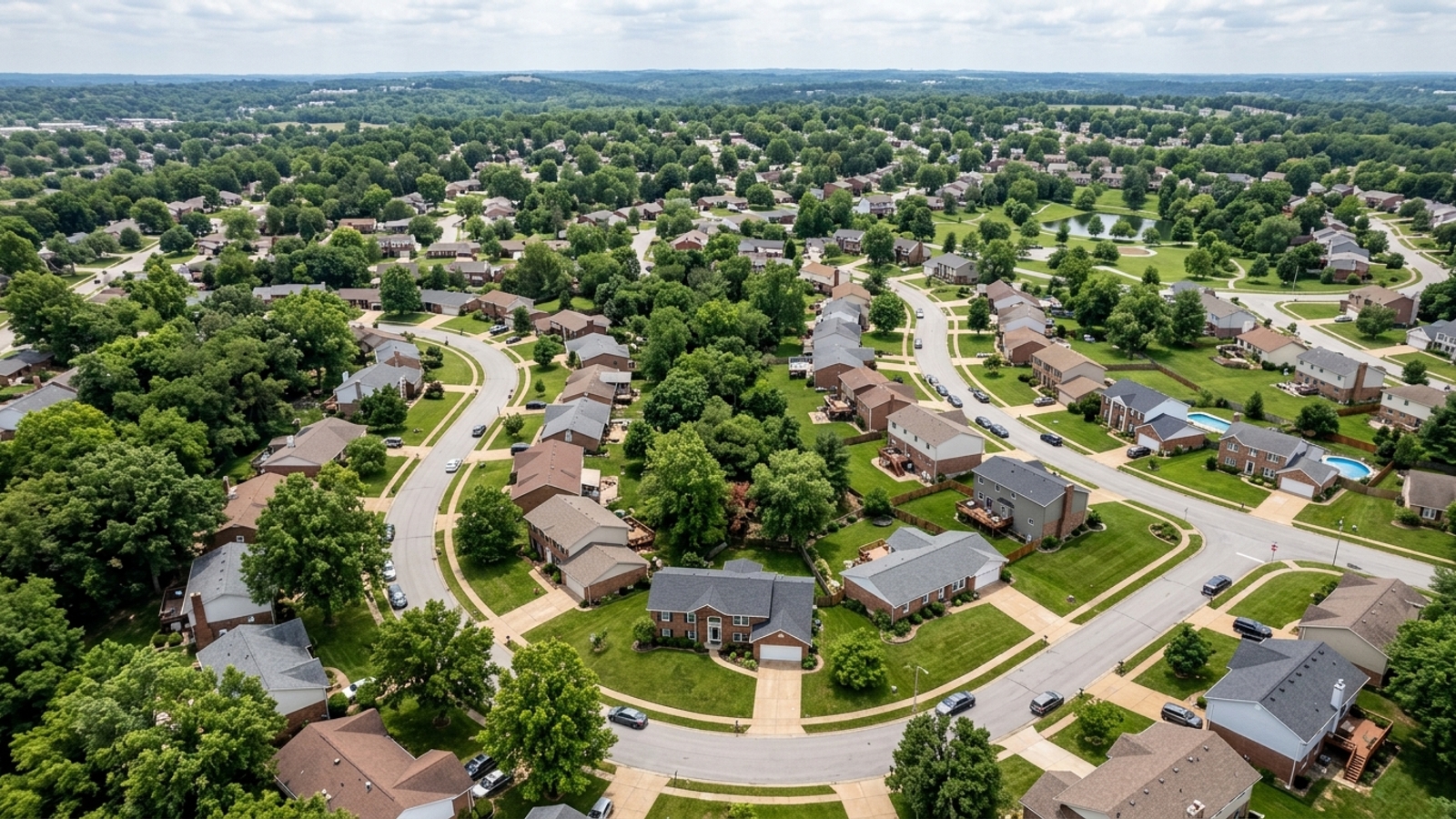
Oakville, MO sits in the southern portion of St. Louis County - suburban, unhurried, and far enough from the city core that it feels like its own world. Buyers weighing the pros and cons of living in Oakville, MO come here for the housing, sure, but knowing a place's background changes how you read a neighborhood. It tells you why the streets curve the way they do, why the trees are so mature, and what you're actually buying into.
The local market reflects real demand. Median home prices were hovering around $357,000 in 2026, with homes spending roughly 12 days on the market. That's not a slow, meandering market - buyers who want established neighborhoods with historical roots have figured out that Oakville delivers.
Early Settlement and the Name's Origin
The name trips people up sometimes - there's a large town in Ontario, Canada that shares it, and the confusion is understandable. Missouri's Oakville takes its name from something simpler and more literal: the dense oak forests that originally covered the land near the Mississippi River bluffs.
Before the mid-century subdivisions arrived, this was agricultural territory - scattered farmsteads, timber, fertile soil. Early settlers worked the land and slowly turned wooded terrain into a farming community. What you see today, the residential streets and mature lots, grew out of that.
Defining the Community's Status
Oakville is not an incorporated city. It's an unincorporated census-designated place within St. Louis County, which means county government handles municipal services - there's no local city hall, no mayor.
Without formal city boundaries, the edges of Oakville can blur into neighboring South County communities. What gives residents their sense of place isn't a municipal boundary line - it's school boundaries and local parks.
Where Oakville Sits in the Region
Oakville sits entirely within St. Louis County, Missouri, forming a peninsula bordered by the Mississippi River to the east and south and the Meramec River to the west. That puts it squarely within the St. Louis, MO-IL Metropolitan Statistical Area, and that geography has shaped everything about how the community developed.
The river boundaries did something useful over the decades - they limited urban sprawl in certain directions, preserved some of the natural topography, and dictated how road networks got laid out to serve early farmers and, eventually, commuters.
Commuting and Access
Telegraph Road is the main commercial artery today, and it follows a path that's been moving people and goods north toward St. Louis for generations - originally to connect local farms to city markets.
Buyers who choose Oakville tend to appreciate what those river borders actually mean in practice: less pass-through traffic, less noise, a quieter feel than you'd get from a suburb straddling a major interstate. Geographical isolation and regional access at the same time. That's a harder combination to find than it sounds.
Local Landmarks and Historic Estates
Most of what you'll see driving through Oakville is late 20th-century residential construction - ranch homes, split-levels, the usual suburban fabric. But the area holds a few genuinely notable historic sites, and the most prominent is the Nims Mansion, a 1929 Tudor Revival estate that stands apart from everything around it.
Located in Bee Tree County Park, the Nims Mansion overlooks the Mississippi River and is listed on the National Register of Historic Places. It's a window into the kind of grand riverfront retreats that wealthy St. Louis businessmen built in the early 1900s - the scale and setting are still striking.
Visiting Bee Tree County Park
The land surrounding the Nims Mansion was eventually converted into Bee Tree County Park, keeping the historic grounds accessible to the public rather than lost to development. The park has a fishing lake, trails, and expansive gardens that reflect the property's original landscape design.
For the surrounding neighborhoods, that matters. Having a National Register of Historic Places site operating as a public park - rather than a condo development on the bluffs - is the kind of thing that quietly shapes a community for the better.
What the Area Is Known For Today
River access, agricultural roots, and estates like the Nims Mansion defined Oakville historically. What defines it now is its reputation as a stable, high-demand residential community within South St. Louis County.
The numbers back that up. In 2026, inventory sits at roughly 36 available homes at a given time, and properties are frequently selling for about 2% over list price. That's a market where hesitation costs you.
The Shift from Farms to Subdivisions
The population boom came in the decades after World War II, when St. Louis residents moved outward into the county and the old farm tracts got sold off and subdivided into the winding residential streets you drive today.
That mid-century expansion set Oakville's layout permanently. There's no traditional grid here, no historic downtown commercial district - just quiet residential pockets, trees that have had sixty-plus years to grow, and the constant backdrop of the Mississippi River shaping the edges of everything.
Frequently Asked Questions
When were the original residential neighborhoods in Oakville, MO developed, and what home styles are most common from that era?
Most of the original residential subdivisions in Oakville were developed in the decades following World War II. Buyers will frequently find mid-century ranch homes and split-level designs from this era.
Are there any designated historic districts in Oakville that restrict what I can do to my home's exterior?
No, the majority of Oakville consists of standard residential subdivisions without historic district zoning overlays. That said, individual homeowners associations may have their own architectural guidelines - review those before making any exterior changes.
How can I research the original property deeds or historical agricultural land use for my specific Oakville address?
You can trace property deeds and historical land records through the St. Louis County Recorder of Deeds office. The county's online real estate information system also provides parcel histories and plat maps for residential lots.
Do older homes in the original Oakville settlement areas qualify for Missouri historic preservation tax credits?
It depends on the specific property. To qualify for Missouri historic preservation tax credits, the home typically needs to be listed on the National Register of Historic Places or contribute to a certified historic district.
How do property values in Oakville's historic mid-century subdivisions compare to newer construction in South County?
Mid-century homes in Oakville generally offer a more accessible entry point, with the overall median sale price sitting around $357,000. Newer construction in the broader St. Louis, MO-IL Metropolitan Statistical Area often commands higher prices, though Oakville's older homes benefit from mature lots and established locations.
What are the most common inspection issues when buying one of Oakville's older, historically significant homes?
Aging cast-iron plumbing, outdated electrical panels, and original windows that need replacing come up regularly in mid-century Oakville homes. Hire an inspector who knows the specific building practices used in St. Louis County during the 1950s and 1960s - that experience makes a real difference in what they catch.