What to Know About Real Estate in Oakville, MO vs. St. Louis in 2026
As of mid-2026, the gap between these two markets is about $90,000 in median sale price. Oakville sits at roughly $357,000; the City of St. Louis comes in around $268,000. That difference is real money, and it shapes everything else about the decision - the mortgage, the daily routine, the type of home you end up in. This price gap is a major factor in the pros and cons of living in Oakville, MO.
If you're weighing these two places, it usually comes down to two things: what kind of home you want to live in, and how you want to spend your commute. Oakville is a traditional suburb built around single-family homes. St. Louis is denser, older, and more urban.
Housing Markets and Property Styles
Oakville homes are moving in roughly 12 days, and more than half of recent listings have closed above asking. With only about 0.9 months of housing supply, this is a tight market - if you find something you like, you don't have a lot of time to think about it.
St. Louis County as a whole shows a median sold price of $325,000, which puts Oakville slightly above the county average. The City of St. Louis is the more affordable end of the region, and prices there have still climbed about 7.1% over the past year - so it's not as if buyers are getting a static deal by choosing the city.
Home Prices and Market Pace
Oakville's median sale price of $357,306 reflects a nearly 3% year-over-year increase, and the average sale-to-list ratio sits at 102%. You should go in expecting to compete.
A recent snapshot showed just 36 active listings in Oakville. That's not a lot of runway. The 12-day market pace follows directly from that scarcity.
Neighborhood Architecture
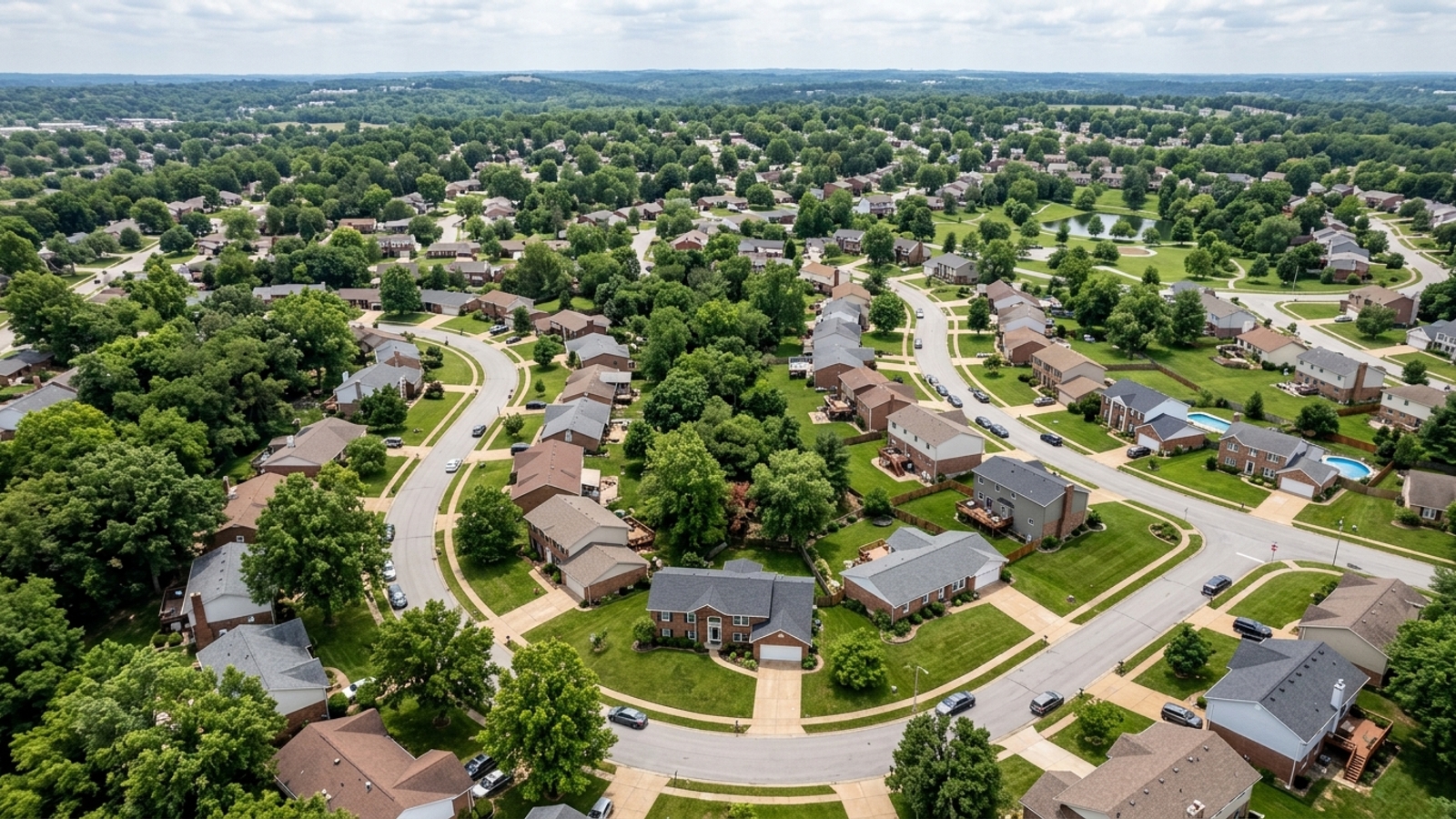
Oakville is predominantly single-family homes built from the 1970s onward - ranch houses, Colonial Revivals, contemporary designs, most of them with two-car garages and mature trees out front. The established neighborhoods have the kind of landscaping that takes decades to grow in.
If you want something lower-maintenance, the area does have a selection of townhomes and condos, though that's not what most of the inventory looks like.
Cost of Living and Taxes
St. Louis city sits about 10% below the national average for overall living expenses. Oakville lands closer to the national baseline - cost of living indices place it somewhere between 1% and 6.9% below the U.S. average, depending on the measure.
That's a meaningful spread when you're projecting five or ten years of day-to-day costs. The purchase price is only part of the math.
Overall Affordability
The lower housing costs in St. Louis city pull its overall affordability index down in a straightforward way - cheaper homes mean cheaper living. Oakville's higher home values push its index back toward the national average. Both locations still come in below that national baseline, which is worth keeping in mind if you're relocating from a more expensive metro.
The honest tradeoff: Oakville carries a larger mortgage on average, but you're not going to feel like you moved somewhere unaffordable.
Property Taxes
Homeowners in Oakville pay an average property tax rate of about 1.4% of assessed value. Take your target purchase price, apply that rate, and you have a reasonable estimate of your annual tax bill.
Property tax rates in the City of St. Louis vary by specific location and district. For any address you're seriously considering, pull the current tax records - don't rely on averages when you're comparing specific properties side by side.
Commuting and Transportation
Oakville has a Walk Score of 17. That's not a number that leaves much room for interpretation - you will need a car, for errands, for commuting, for most things. The average commute time for residents is about 27.6 minutes, and the vast majority of people drive alone.
If you're coming from a neighborhood where you can walk to the grocery store or catch a train to work, that's an adjustment worth taking seriously before you sign anything.
Highway Access
Oakville sits near Highway 55 and Interstates 270 and 255. That puts downtown St. Louis and most regional destinations within reasonable reach, and it's also what puts Grants Farm just minutes away for a weekend afternoon.
The highway access doesn't make the area walkable, but it does mean you're not isolated. The connections are there - they just require a car to use them.
Daily Drive Times
The roughly 28-minute average commute accounts for typical traffic heading toward commercial centers. Before you make an offer, drive your actual route at actual rush hour. Averages smooth out a lot of variation that matters when you're doing it five days a week.
City residents often have shorter distances and more transit options. Depending on where you live and work in St. Louis, you can sometimes avoid highway traffic altogether - which is a different kind of day-to-day life than Oakville offers.
Parks and Local Recreation
Oakville's anchor green space is Cliff Cave Park, a 525-acre St. Louis County park at 806 Cliff Cave Road. It runs along the Mississippi River and sets the tone for what outdoor recreation looks like in this part of the county - trails, water, woodlands.
The established neighborhood layout means you'll find mature trees and natural landscapes throughout, not just concentrated in the park itself. St. Louis city has its own large urban parks, but Oakville's version of recreation leans toward riverfront trails and open space.
Cliff Cave Park Amenities
The park covers woodlands, wetlands, and rocky hillsides, with the Mississippi Trail, Spring Valley Trail, and River Bluff Trail available for hiking and walking. You can also fish along the Mississippi, mountain bike, or ride equestrian trails.
The historic Cliff Cave itself is the second-longest cave system in St. Louis County. It's been gated since 2009 to protect an endangered Indiana bat population, so you can know about it without being able to explore it.
Regional Attractions
The highway network means residents can reach broader St. Louis County amenities without much friction. Grants Farm is a short drive. The Mississippi River Greenway ties several of these outdoor spaces together.
For buyers who want traditional suburban recreation - parks, trails, room to spread out - Oakville delivers that without much effort.
Frequently Asked Questions
How do home prices in Oakville compare to the St. Louis city real estate market?
Oakville is more expensive. As of mid-2026, the median sale price in Oakville is roughly $357,000, compared to about $268,000 in the City of St. Louis.
How long does it take to commute from Oakville to downtown St. Louis during rush hour?
The average commute time for Oakville residents is about 27.6 minutes. Oakville is car-dependent - Walk Score of 17 - so most residents drive alone, using Highway 55 or Interstates 270 or 255 to reach downtown and other destinations.
What are the biggest trade-offs when moving to Oakville instead of a central St. Louis neighborhood?
Oakville gives you single-family homes with two-car garages and large county parks like Cliff Cave Park. The trade-off is that you'll need a car for nearly everything. Central St. Louis has a lower overall cost of living and potentially shorter commutes, but you're looking at denser, historic housing rather than the suburban layout Oakville offers.


